Discovering Wisdom in a Pot of Bones
Overcoming the Wrong Family
One day, a young man I know told me he’d been born into the wrong family. I immediately understood, because so was I. My parents saw me as worthless, someone who wouldn’t amount to anything, so perhaps it’s no surprise that I fell under the spell of an abusive man who knew a pushover when he saw one.I thought he saw something good in me that no one else did, but what he actually saw was something no one else had looked for: my vulnerability
For three years I explained away the red flags, and when he asked me to marry him, a voice inside me shouted “No!”—only to be drowned out by the echo of a louder, earlier voice, my mother’s, snapping, “You’re not someone who can be choosy.” I told him yes and agreed to move to Japan with him because I saw no other option.
In Japan, a chance encounter got me a job at Mattel Toys Southeast Asia, where I discovered I had talents after all. As I became more successful, my husband became more abusive. We moved back to America, technically international travelers but actually babes in the woods who’d come home just in time to face a recession. My two-year-old, born in Japan, clung to me as she struggled to adjust to her disrupted world. My little one, a newborn, woke me every two hours. My husband, supposedly looking for a job to support us, cancelled job interviews and disappeared for hours, refusing to tell me where he’d been.
There would come a time when I’d leave him and have a successful career and happy second marriage, but that time was still in a distant future I couldn’t imagine. Now, worried about money, sleep deprived, with a babe at my breast, a toddler on my knee, and an erratic husband out and about in parts unknown, I was physically and emotionally drained. I felt trapped, with no hope for a better life.
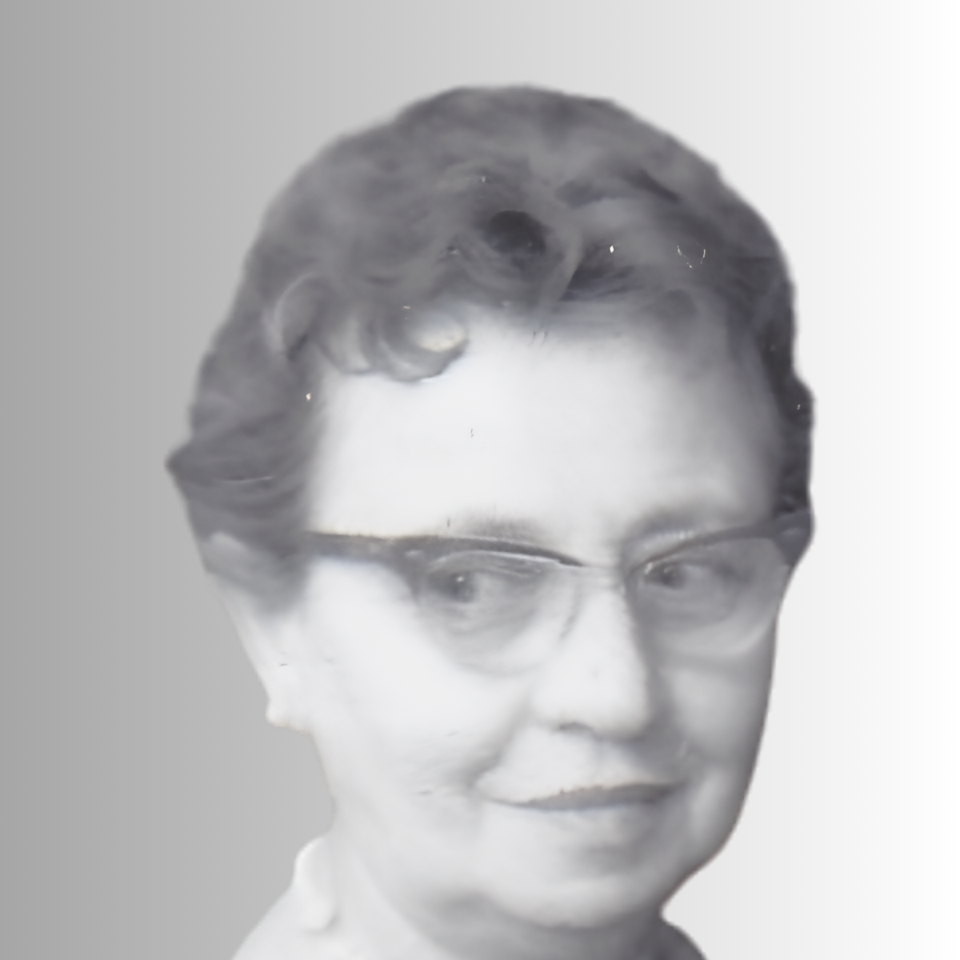
Then one day the phone rang. It was my grandmother Minnie, calling to say she was coming for a visit the very next day! Just knowing she was on her way made me feel stronger. She brought much-needed routine to the household, helped magically with the children, and took over the cooking so I could nap. Having always cooked with gas, she was at first stymied by my electric stove, but she’d learn by experience how to use it.
That experience came from a potful of bones. After simmering them for hours to make broth for a soup, she turned off the burner and joined me in the living room. A little later, we heard burbling noises coming from the kitchen. The bones were boiling! Instead of turning the burner off, she’d turned it to medium. Well, who hasn’t done that?
She went to turn them off and soon they were bubbling away again. Laughing at herself, she went back to the kitchen to turn them off. This time, she turned them to high. Repeat, repeat, repeat. Every time those bones boiled, we roared with laughter. When our laughing started to fade, one of us would shout, “Boiling the Bones!” and we’d start laughing again.
The more I laughed, the calmer I felt—and the children sensed it. My little one slept peacefully for longer stretches than usual. My two-year-old slid off my lap and contentedly played by herself with a toy. The three of us were more relaxed than we’d been in months.
Minnie lived to 103, clear-eyed and cogent until the end. My girls were in college when she died, and I was almost 50. Though she never confessed, over time I grew certain that those bone boilings were on purpose and a great gift. Even today, when things get rough I think (and sometimes even shout out loud), “Boiling the bones!” It always lightens me up. Though some might see this as an example of laughter being the best medicine, I think it’s so much more than that.
Growing up in the wrong family made me feel insecure and inadequate, but I was lucky. I had Grandma Minnie. She recognized from my earliest childhood that my homelife was bad and, despite resistance from both my parents, she stepped in to fill the void whenever she could. Over time, others did the same.
I believe that we all have within us the ability to overcome our past and build a fulfilling future. This innate resilience needs to be actively nurtured, however, and the good news is that if our parents don’t nurture it from the beginning, others can help us find and grow our resilience even years later.
Once our resilience starts growing, our self-confidence grows too. Little by little, we become our best selves. People who show up for us, who support us even when we don’t realize we need it, who help us overcome hurdles we can’t clear on our own—having people like these in our life is truly the best medicine.